
Find the therapist who best fits your needs.
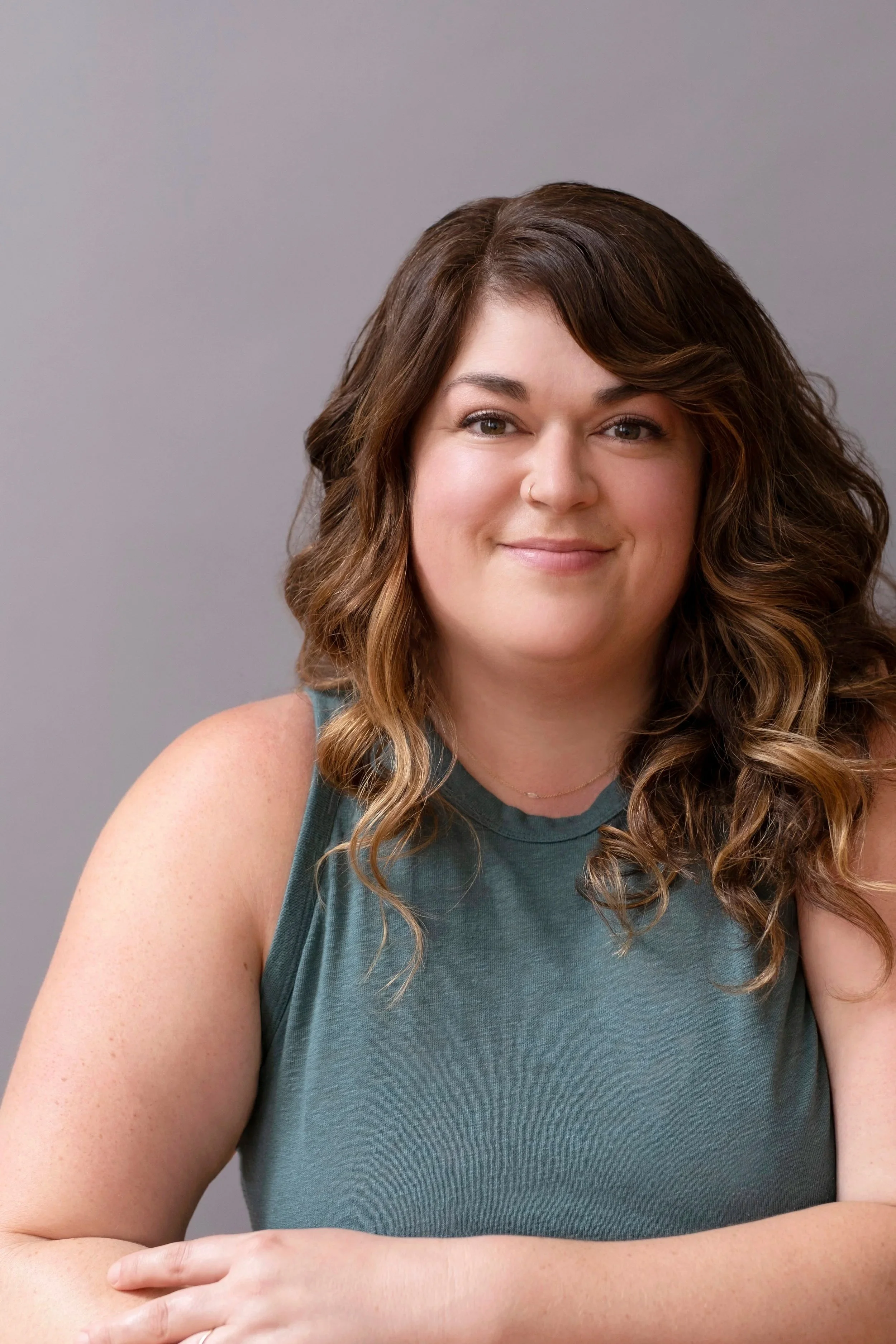
THERAPY, IMMIGRATION EVALUATIONS
Abby Hearne, MSW, LCSW
I work with adults who are navigating complex trauma, challenging relational patterns, and learning to set boundaries with themselves and others. Together, we may work on improving communication, talk through past experiences, and do some deep re-negotiation with past traumatic experiences.
Commonly used modalities include (are not limited to): Brainspotting, Somatic Experiencing, Attachment Therapy, Relational Therapy
-
Do you ever feel stuck in cycles—the ones where you pour into others but forget yourself, or where negative self-talk keeps your own needs unheard? If you are ready to choose yourself and prioritize your own healing, I would love to partner with you.
This work is deeply important to me because I believe wholeheartedly in the incredible power of self-care. Therapy is one of the most profound ways we can reclaim that power. I hold a strong belief in human resilience—our innate ability to change how we show up for ourselves and in our relationships, leading to lasting and meaningful shifts in your life.When we work together, I become your partner, integrating powerful approaches like Somatic Experiencing, Brainspotting, Attachment Theory, and Relational Therapy. Together, we'll uncover your authentic self, gently tend to the past, and build the strong foundation you deserve for your future.
Our time won't feel like a detached, clinical appointment with a 'blank slate' professional. We will laugh, we will feel, and we will explore your journey together, always on your timeline and when you are ready. At its core, I believe therapy is a practice of social justice, affirming that every human deserves dignity and accessible care.A little bit about me as a whole dern human: I am a real deal Asheville native (seriously, born at Mission Hospital!) and I grew up on a sheep farm. I majored in ceramics in undergrad, and I love to get crafty when I am able. In my time away from work, I love growing flowers in my garden, spending time with my sweet family (including my partner and our 2 kitties), and getting as much time outside as I can. I'm obsessed with the cookbook club I'm in with a group of close friends, and my guilty pleasure is watching Below Deck... don't judge it till you try it!
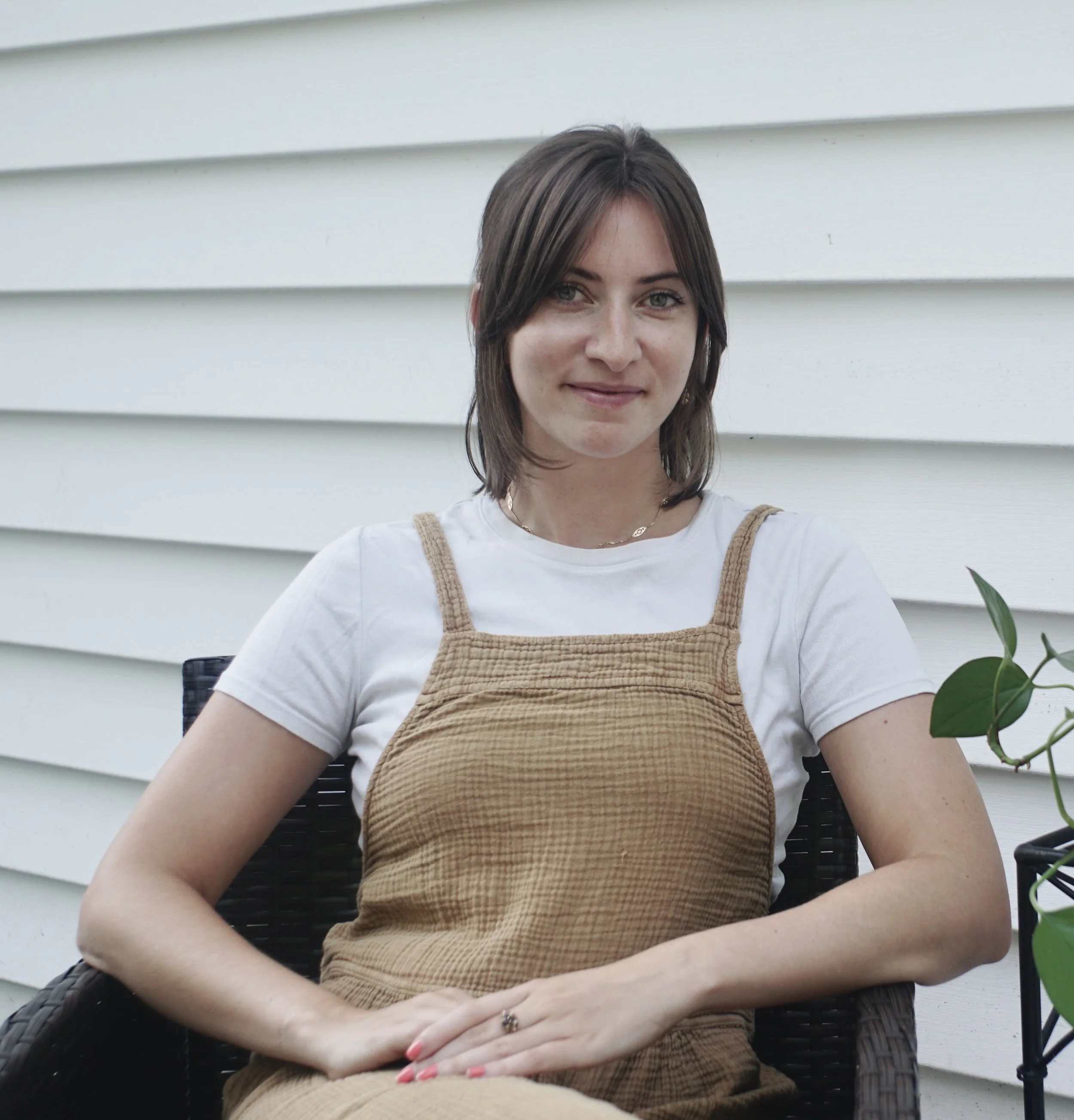
THERAPY
Emily Crow, MSW, LCSW
I work with teens and adults who want to slow down, feel understood, and explore patterns with curiosity rather than judgment. Our work is grounded in warmth and self-compassion to help you move toward greater clarity and meaningful change.
Commonly used modalities include (are not limited to): EMDR, Mindfulness, Expressive Arts, ACT, IFS themes
-
We can make sense of the patterns and behaviors that show up in your life–even those that feel confusing, painful, or frustrating. They often began as ways of coping, protecting oneself, or getting through hard moments. In our work together, we approach them with curiosity and respect, emphasizing your resilience rather than using judgment, and gently inviting exploration of what may no longer serve you. Therapy is a place to slow down, feel understood, and learn to shift your own inner dialogue so you can begin to make helpful changes that align with your values and respond to your current needs.
My style is warm, compassionate, and connected, leaving the stiffness and unflinching neutrality to someone else. Sessions are meant to feel supportive and grounding, honoring you as the expert on your own experience, while offering thoughtful guidance, challenges, and reflections informed by my clinical training. Self-compassion is an essential tool for change in therapy. I will continually nudge you toward relating to yourself with more understanding, patience, and kindness–especially in moments when change feels challenging.
Care is trauma-informed with EMDR tools, IFS themes, mindfulness, and expressive arts integrated when appropriate and always paced with safety and attunement in mind. The focus is on building awareness and creating new ways of relating that feel more aligned, sustainable, and authentic to you. Therapy is not something that has to be done alone or require having everything figured out to begin–I’ll join you as a supportive partner as you move toward greater clarity and meaningful change.
Starting therapy does not mean something is wrong; it means you’re paying attention.
Outside the therapy room, you can find me spending time with friends, trying new foods, knitting, planning my next trip, drinking a warm beverage, getting a little treat, listening to a true crime podcast, creating something, sitting in the sun, or playing with my cats. I love to learn, travel, laugh, taste, feel deeply, and see new things.
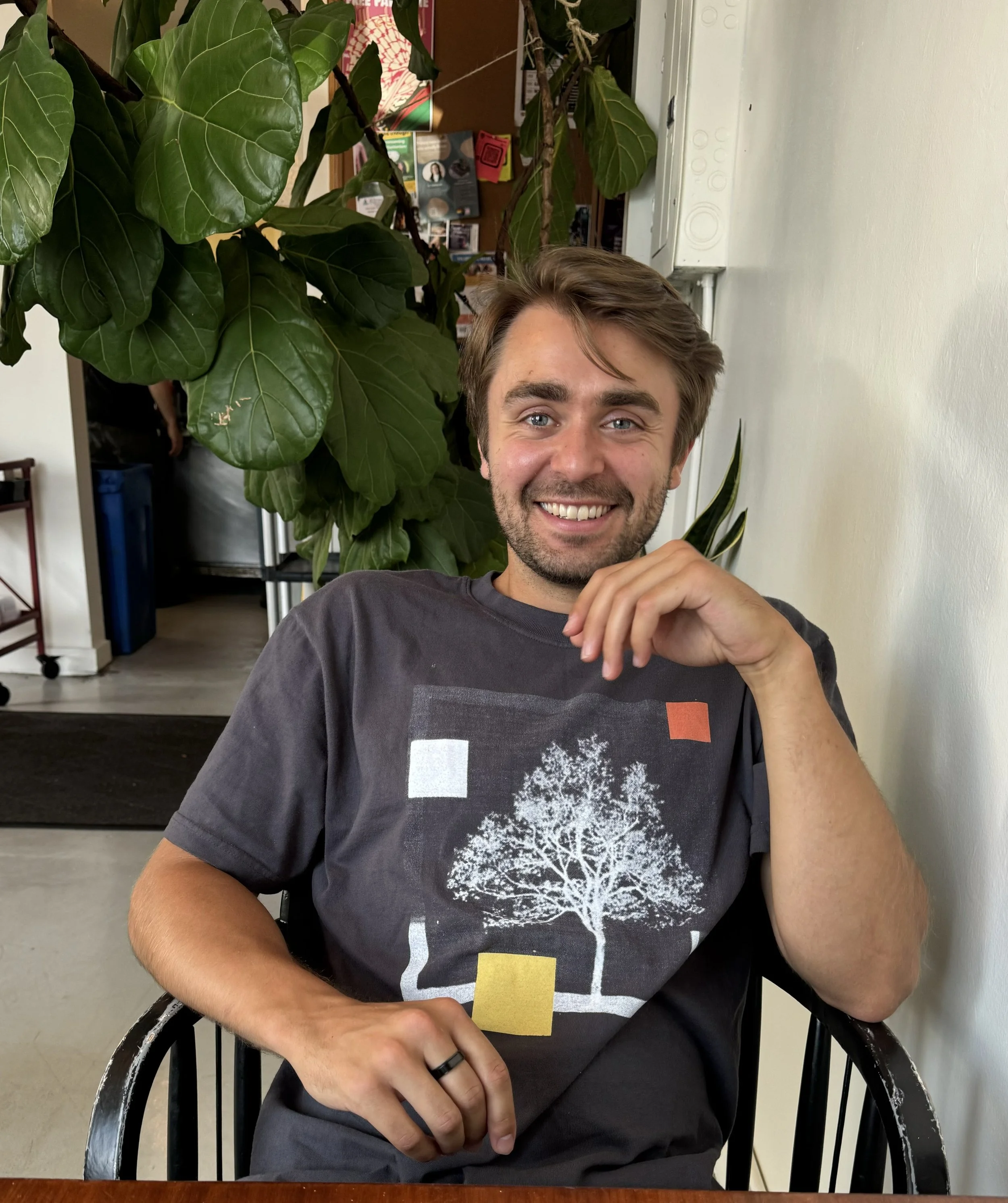
THERAPY
Cole Nelson, MSW, LCSW
I work with adults who are ready to explore the emotional and existential terrain of their lives. Not just to find relief from pain, but to make sense of who they are becoming.
Commonly used modalities include (are not limited to): Psychodynamic, Existential, CBT, Depth-Oriented
-
People often come to me during times of transition, uncertainty, or quiet unraveling. Sometimes the symptoms are clear: anxiety, depression, and confusion in relationships. Other times, it’s more of a vague sense that life feels disconnected or out of step — like something essential is missing, even if you can’t quite name it.
It feels difficult to explain the complex process of what unfolds on the couch. In the simplest terms, I believe what happens is developing an understanding of self amidst a world of influence. We begin to see what is ours to carry and what is not. Session after session, we sit together, but most importantly, you sit with yourself. A scary proposition for most, but throughout the therapy process, you will begin to see yourself for who you have become and gain the confidence to follow the intuition that has always lived inside.
Although I have multiple modalities that I align closely with, I like to think of myself as a generalist. Conversations range from the spiritual or existential to the day-to-day stressors. The pain of the human condition is expansive, and I want to hear the suffering and success that is unique to you.
The population that I find extremely rewarding to sit with is individuals who have lived with or have been affected by someone suffering from substance use. A lot of treatment and conversation is given to those suffering from substance use, for good reason, but the people who find themselves in any relationship with this person are also in need of support. If you identify as a “people pleaser” or have a parent who was an addict, I would love to talk about your experience.
Outside of the therapy room, connecting with myself and my environment is what guides me. You'll find me running a trail somewhere on the AT or in Bent Creek, reading a Haruki Murakami novel, or enjoying the flow of a river after a swim. Really just a guy who feels intensely and loves living life in the depths.

THERAPY
Wren Martineau, MSW, LCSWA
I work with individuals, couples, coparents (or any relational dynamic). My approach is collaborative and process-oriented, guided by curiosity and respect for your unique journey. I’m not here to hand you quick fixes, but to accompany you in exploring what lies beneath the surface with compassion and care.
Commonly used modalities include (are not limited to): Mindfulness Somatic Therapy, IFS, and Polyvagal Theory
-
Many people come to therapy feeling shaped by systems, relationships, or experiences that asked them to shrink, adapt, or carry more than was ever theirs to hold. I offer therapy as a space to slow down, breathe more fully, and gently reconnect with the parts of yourself that may have been overlooked, silenced, or misunderstood.
I work with individuals, couples, co-parents, and people in diverse relational structures navigating trauma, grief, anxiety, identity exploration, self-worth, and significant life transitions. Our work centers on making room for complexity, for tenderness, and for the parts of you that learned to stay hidden in order to survive. Therapy can be a space to turn toward what has lived in the shadows, often the very places that hold resilience, wisdom, and possibility.
My approach is grounded in somatic and mindfulness-based practices, parts work, polyvagal theory, creative exploration, and systems-focused, nature-informed perspectives. Rather than approaching your experiences through a singular lens of pathology or fixing, I view therapy as a collaborative process of deep listening - attending to your inner world, your body’s cues, your relationships, and the broader contexts that have shaped your story. I believe you are the expert of your own life and carry an innate capacity for healing and wholeness.
Sessions may hold depth and seriousness, while also making space for humor, creativity, and relief. Therapy with me is both grounding and spacious; a place to rest from the weight of expectation, to question old narratives, and to explore new ways of relating to yourself and others with care and curiosity. You don’t need to arrive with everything figured out. You are invited to come as you are, with your questions, longings, griefs, and hopes.
Outside of the therapy room, I am continually shaped by the rhythms of nature, creativity, and relationship. When I’m not in session or training, you’ll often find me with my hands in the dirt tending my garden, jumping into a mountain swimming hole, or immersed in the joyful chaos of life with my spirited kiddo and our beloved animal companions.
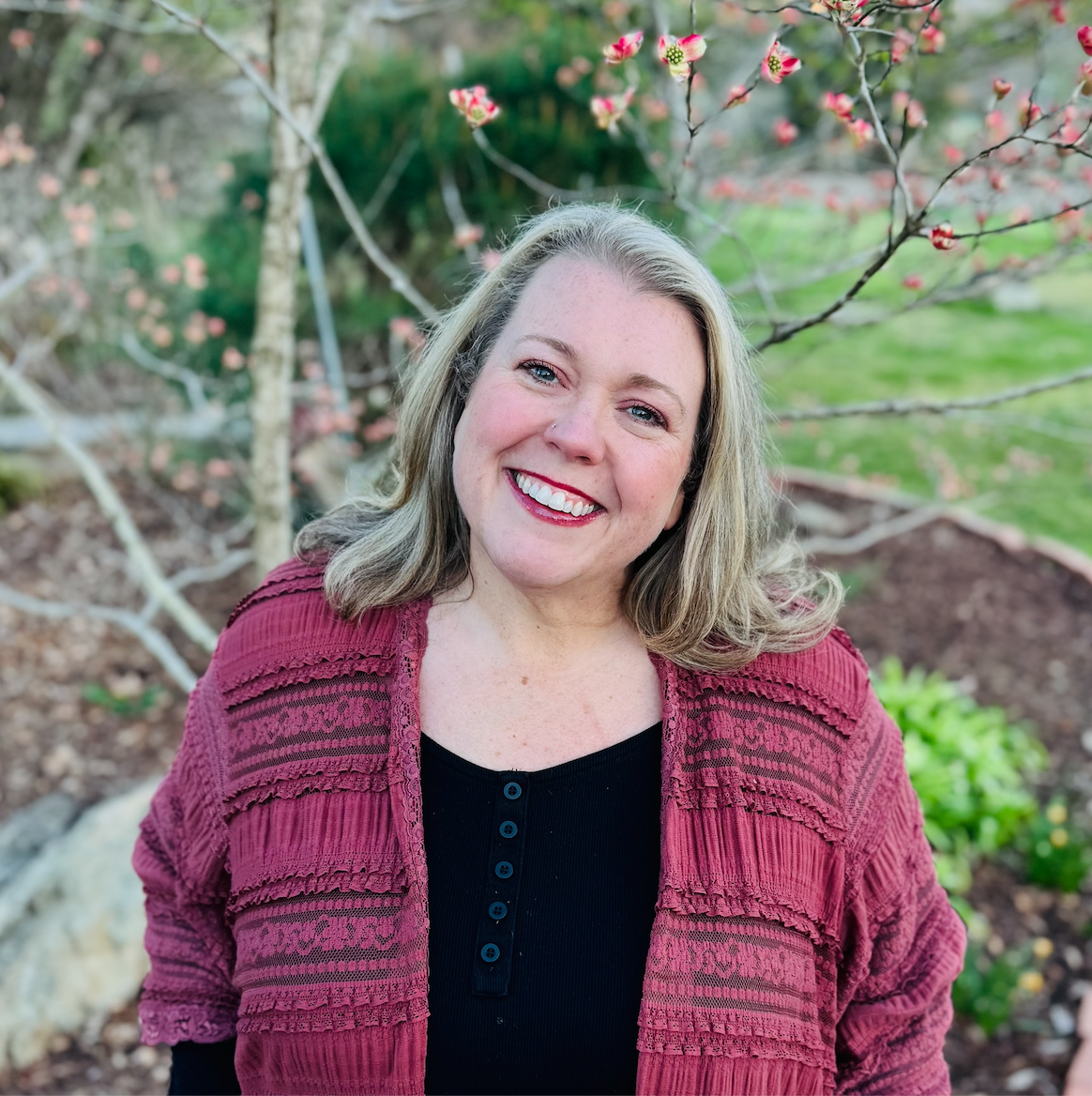
THERAPY
Tina Manning, LCMHC
I work with adults and teens desiring to live their best lives that may have worries, past trauma, family dynamics, and/or OCD that is getting in the way. I also work with some younger children with OCD. My approach is gentle, compassionate, and nurturing.
Commonly used modalities include (are not limited to): ERP, EMDR (EMDRIA trained), ACT, Cultural-Relational Approach
-
A big life transition may be happening and you need support navigating it, or parenting is hard and you need some ways to process it and still be you while also juggling roles. You may be experiencing intense overwhelm and dread because of psychosocial stressors happening in our country right now. Perhaps you have OCD and/or experience significant anxiety.
If this sounds like you, let’s chat on the phone for 10-15 minutes and see if my voice and approach feels compatible with you. My presence is gentle, compassionate, and nurturing. I will also (kindly) challenge you when I see patterns of behavior not serving the goals or hopes you have shared with me for therapy. I lean into humor when appropriate, because I believe laughter is hope, and laughing with someone else is healing.
I treat adults and teens but I do save several spots on my calendar for children of any age with OCD symptoms.
I identify as queer and neurodivergent in case knowing that helps you to feel seen and understood. I’m also a parent of grown kids, obsessed with my dogs, and my favorite hobby is being cozy and finding some whimsy wherever it may be!

THERAPY
Hannah Lewis, LCMHC
I work with adults and couples who want to foster deeper understanding, communication, and connection—whatever that looks like for you. I hope to provide a space where you feel safe and supported as you move toward the life you want to create.
Commonly used modalities include (are not limited to): ACT, EMDR, Logotherapy, Health at Every Size (HAES)
-
The last thing we need in the midst of struggle is to feel shame for our human experience. Healing is often supported through connection, and having a trusted person to walk with you in that process can make all the difference. I strive to create a therapeutic space that is safe, inclusive, and nurturing—one where you feel genuinely seen, supported, and accepted.
My greatest passion in this work is helping individuals reconnect with themselves and uncover their innate capacity to live meaningful, fulfilling lives. I approach therapy through a person-centered lens, grounded in empathy and authenticity. I deeply value honoring each client’s unique identity, experiences, and needs.
My style is warm, compassionate, and collaborative, rooted in trauma-informed and acceptance-based approaches. Together, we will move at your pace to explore and process the experiences that have shaped you, while building tools to support lasting growth and healing.
I have experience supporting individuals navigating anxiety, depression, trauma (including childhood, emotional, sexual, and relational trauma), body image concerns, self-esteem challenges, relationship dynamics, and issues related to identity, gender, and sexuality. I also work with couples and individuals in relationships to foster deeper understanding, communication, and connection—whatever that may look like for you.
My integrative approach draws from several evidence-based modalities, including Acceptance and Commitment Therapy (ACT), Eye Movement Desensitization and Reprocessing (EMDR), and existential and meaning-centered therapies such as Logotherapy. I also incorporate attachment-focused work and Health at Every Size (HAES) principles to support holistic, affirming care.
It takes courage to seek support, and I admire you for taking this step. My hope is to provide a space where you feel safe enough to show up exactly as you are, and supported as you move toward the life you want to create.
Outside of my work as a therapist, I find joy in spending time outdoors, attending live music events, cooking, and being at home with my two dogs and my new baby.